
Roof Contractors: What They Do and How to Choose One
RRoofpedia guidePublished November 17, 20261,505 words · 7 min read
Free tool
Try a new roof on your housePick shingle colors on a house in the house designer, with siding, trim and gutters to match.A roofing contractor handles everything from pulling permits and sourcing materials to tearing off the old roof and registering your warranty. Knowing how the process works before you call anyone puts you in a much stronger position when quotes arrive.
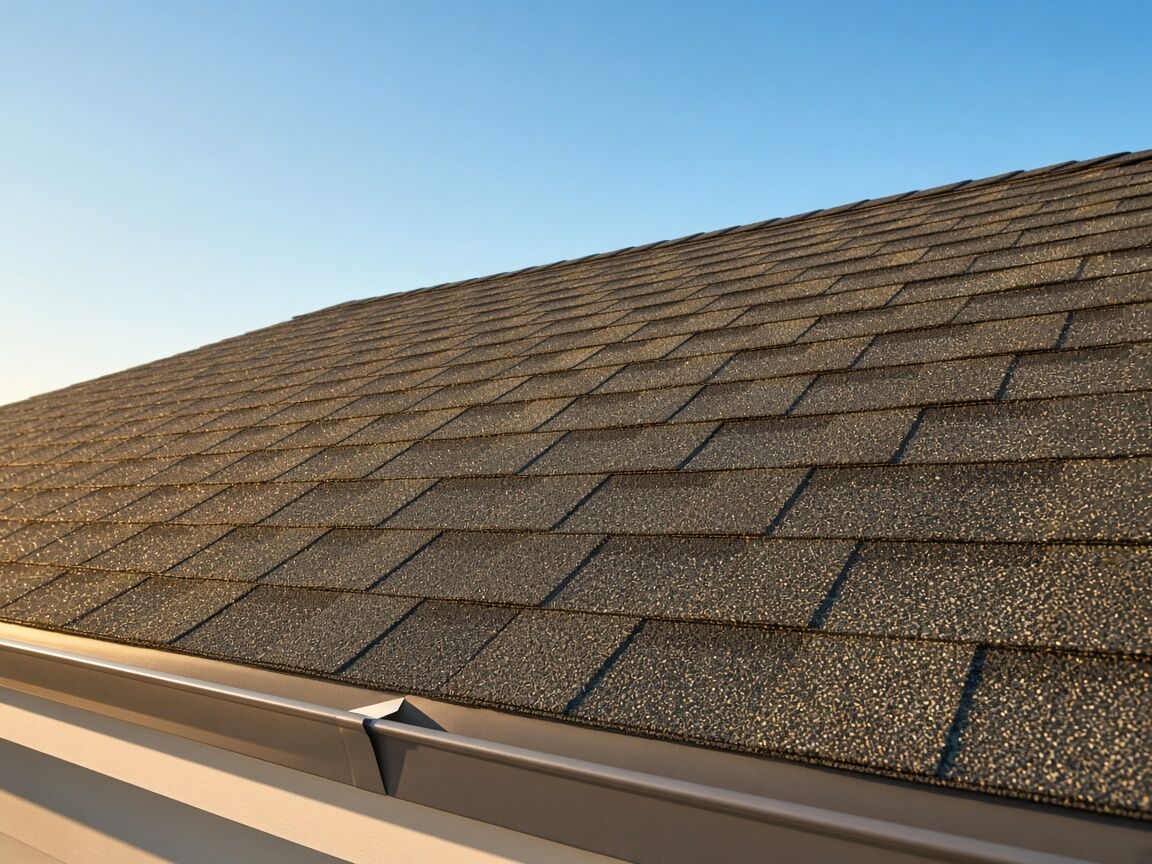
Picture made with AI for this guide.
What does a roofing contractor actually do?
A licensed roofing contractor covers the full job, not just the shingles. That means assessing the existing roof, writing an estimate, coordinating with your insurance company if a storm claim is involved, pulling the permit, sourcing materials, tearing off the old system, repairing any damaged decking underneath, installing the new roof, and registering the manufacturer warranty in your name.
That last step matters more than most homeowners realize. A warranty that never gets registered can be voided before a single storm hits. A good contractor walks you through what was registered, with which manufacturer, and what the conditions are.
The permit piece is equally important. The permit should be pulled in the contractor's name, not yours. If it's in your name and something goes wrong, the liability follows you.
Types of roofing contractors and what each handles
Not every contractor does every kind of roof. Residential contractors who work mainly with asphalt shingles are the most common. Storm restoration contractors specialize in insurance claims after hail or wind events. Commercial contractors focus on low-slope membrane systems like TPO, EPDM, or modified bitumen. Premium-material contractors work with metal, slate, clay tile, or concrete tile, which require different skills and tools than shingle work.
Matching the contractor to the material matters. A crew that installs asphalt shingles every day may not have the experience to set a slate roof correctly. Slate needs individual units bedded and fastened in a specific way; a mistake there shows up as a leak, sometimes years later.
The NRCA Roofing Manual: Steep-slope Roof Systems—2025 includes revised guidance for high-wind regions and compliance with 2024 building codes, along with new details specific to slate repairs. That's the kind of current knowledge a premium-material contractor should have.
How to compare roofing material options before you hire
The material choice shapes who you hire and what the job costs. Asphalt shingles remain the most common residential option. Metal, clay tile, concrete tile, wood shakes, and slate each differ in wind resistance, fire rating, weight, and maintenance demands.
Fire rating is set by independent testing, not by the contractor. Wind resistance depends on the product, the fastening pattern, and local code requirements. The NRCA's steep-slope manual now addresses FORTIFIED Roof programs, which are third-party construction standards designed for high-wind and hurricane-prone areas. If you live in one of those zones, ask any contractor you're interviewing whether they're familiar with FORTIFIED requirements.
Tear-off versus overlay is a separate decision. A full tear-off removes the old material down to the deck so the installer can inspect and repair the wood underneath. An overlay lays new shingles over old ones. Tear-off is generally required for manufacturer warranty compliance and gives a clearer picture of the deck's condition.
What to check before you sign a roofing contract
License and insurance are the baseline. The contractor needs a current state or local license and verifiable general liability and workers' compensation coverage. Ask for the certificate of insurance directly from the insurer, not just a copy the contractor hands you. A phone call to confirm it's active takes two minutes.
Manufacturer certifications are a step above the license. Some manufacturers train and certify contractors to install their products, which can affect the warranty tier available to you.
The written contract should spell out the full scope of work, the materials by name and specification, both the material warranty and the workmanship warranty, cleanup and debris disposal, and what happens if hidden deck damage is found mid-job. Written quotes are the only way to compare contractors fairly; verbal estimates leave too much room for disagreement later.
Watch for storm chasers after severe weather. Pressure to sign immediately, refusal to show proof of insurance, or demands for a large upfront deposit before any work starts are all red flags worth walking away from.
Understanding roofing warranties
Two separate warranties cover a new roof. The manufacturer's material warranty covers defects in the product itself. The contractor's workmanship warranty covers how the product was installed. They are not the same thing, and a claim under one doesn't automatically trigger the other.
Both warranties carry conditions. Proper attic ventilation is one of the most common. If an inspector finds the ventilation was inadequate when a leak develops, the manufacturer can deny the material claim on that basis. That's why ventilation isn't just a comfort issue; it's a warranty compliance issue. Some manufacturer programs offer extended coverage when a certified contractor does the installation, so asking about certification tiers before you hire is worth the conversation.
Ask for copies of both warranties in writing before the crew leaves. Confirm the material warranty has been registered with the manufacturer. Store those documents with your home records alongside the permit and the final inspection sign-off.
Roof maintenance between contractor visits
Two inspections a year, typically spring and fall, catch small problems before they become expensive ones. Between those visits, keeping gutters and roof valleys clear of debris prevents water from backing up under the shingles.
What to look for depends on the material. Asphalt shingles: check for nail pops, granule loss in the gutters, and any curling at the edges. Metal roofs: look at seam sealants and fasteners. Tile and slate: a single cracked or slipped unit can let water in; individual pieces can be replaced without touching the rest of the roof.
Flashings around chimneys, skylights, and pipe penetrations are where most leaks start. Resealing or replacing flashing is a maintenance task, not a full roof job, but it requires ladder work. The safety note applies: OSHA requires fall protection at heights of six feet or more, using anchored harnesses or other compliant systems. That equipment is standard for a roofing crew and typically not something a homeowner has on hand.
When to call a pro instead of doing it yourself
Replacing a handful of damaged shingles on a low-slope, accessible section of roof in dry conditions is about the limit of reasonable DIY roofing work. Anything involving the roof structure, steep pitches, complex flashing details, or a full replacement requires a licensed contractor, both for safety and because most jurisdictions require a permit for that scope of work.
Falls are the number-one cause of fatalities in construction. A professional crew uses anchored harnesses, scaffolding, and OSHA-compliant fall arrest systems as a matter of course. Skipping those systems to save money on a repair is not a trade-off worth making.
If you're unsure whether your situation calls for a pro, a paid inspection from an independent inspector, not the contractor who wants to sell you a replacement, gives you an honest baseline. From there, you can make an informed decision about scope and who to call.
Questions people ask
How do I verify a roofing contractor's license and insurance?
Ask for the contractor's license number and look it up through your state or local licensing board. For insurance, request the certificate of insurance and call the issuing insurer directly to confirm the policy is current and covers both general liability and workers' compensation.
What's the difference between a material warranty and a workmanship warranty?
A material warranty comes from the manufacturer and covers defects in the product. A workmanship warranty comes from the contractor and covers installation errors. Both carry conditions, such as proper ventilation, so read them before signing and keep copies after the job is done.
Is a roof overlay as good as a full tear-off?
A full tear-off lets the installer inspect and repair the deck underneath and is generally required for manufacturer warranty compliance. An overlay skips that step, which means hidden deck damage stays hidden. Most experienced contractors prefer tear-off for that reason.
What are the warning signs of a bad roofing contractor?
High-pressure tactics after a storm, refusal to provide proof of insurance or a license, and demands for a large deposit before any work begins are the main ones. A legitimate contractor gives you time to review the contract and provides documentation without being asked twice.
How often should I have my roof inspected?
Twice a year is the standard trade recommendation, typically in spring and fall. After any severe weather event, an additional check of flashings, valleys, and the gutters for granule accumulation is worth doing from the ground or by a professional on the roof.
Do I need a permit for a roof replacement?
Most jurisdictions require a permit for a full replacement. The permit should be pulled in the contractor's name. If it's pulled in yours and an issue arises later, the liability can follow you as the property owner. Confirm this before work begins.
Read: Roof Inspection: A Complete Homeowner's Guide
Roofers near you
Papalocal lists 57,671 roofers. Search them by town.
Related guides
 Asphalt Shingle Roof: What Every Homeowner Should Know
 Types of Roofing Shingles
 Architectural Shingles vs 3 tab Shingles
Your business? Claim it free