
Roof Inspection: A Complete Homeowner's Guide
RRoofpedia guidePublished November 9, 20261,451 words · 6 min read
Free tool
Compare roofing quotesPrice per square, side by side, and what each quote leaves out.A roof inspection is a systematic look at every component that keeps water out — surface material, flashings, penetrations, drainage, and the attic below. It finds small problems before they become big ones. Twice a year, plus after any major storm, is the standard schedule most roofing professionals follow.
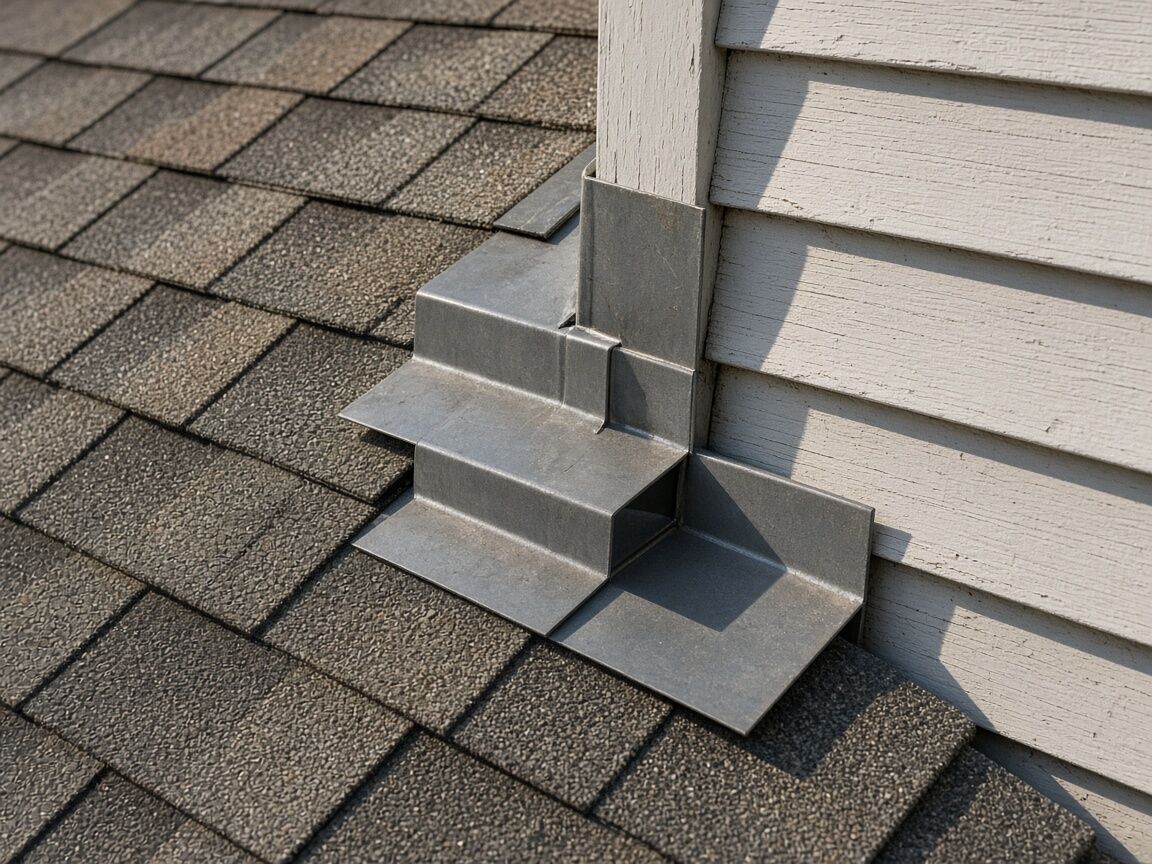
Picture made with AI for this guide.
What a roof inspection actually covers
An inspection is a visual examination of the roof covering, metal flashings, penetrations, drainage paths, the ceilings below, and any accessible attic space. Nothing is excluded by accident — each zone feeds information about the others.
The NRCIA promotes a standardized five-zone method: interior, exterior, perimeter, rooftop, and attic. Working through all five zones produces consistent documentation and catches problems that a single walk across the surface would miss.
At the surface level, an inspector looks for broken, slipped, missing, curled, or loose pieces, worn surfaces, and flashings at transitions — the spots where most leaks actually start. Down in the attic, daylight showing through penetrations, staining, rot, or a musty smell can signal a leak long before any ceiling damage appears inside the living space.
The different types of roof inspection
Not every inspection serves the same purpose, and knowing which one you need saves time and money.
A general roof inspection assesses overall condition and identifies needed repairs. That is the one most homeowners schedule routinely. A four-point inspection evaluates the roof alongside electrical, plumbing, and HVAC systems — insurers often require it before writing a policy on an older home. A wind mitigation inspection documents wind-resistant features specifically so an insurer can calculate the appropriate premium.
Pre-purchase inspections deserve a mention of their own. Buying a house without one means accepting whatever condition the roof is in, sight unseen. The inspection report gives a buyer documented evidence to negotiate repairs or price adjustments before closing.
The NRCA draws a clear line between an inspection — focused on observable condition and deficiencies — and a survey, which may include invasive testing such as core cuts or infrared scanning. Knowing that distinction helps when reading a proposal from a roofing contractor.
How inspectors examine a roof: the methods explained
Physical access is the most thorough method. An inspector walks the surface, probes flashings, checks fasteners, and looks closely at penetrations. That direct contact reveals soft spots and loose components that no camera can confirm from a distance.
When a roof is too steep, fragile, or wet to walk safely, inspectors use binoculars from the ground or a ladder, or send up a drone for aerial imaging. Drone footage captures the full field of view quickly and documents conditions with video.
Infrared thermography goes a step further. Moisture trapped beneath the surface holds heat differently than dry material, and a thermal camera maps those differences. The NRCIA notes that infrared scanning falls into the survey category rather than a standard inspection because it goes beyond purely visual observation. Some contractors include it as an add-on; others quote it separately.
A complete inspection typically ends with a written report and photographs — a paper trail that matters if insurance claims or contractor disputes arise later.
Roof inspection by material type: what changes
Every roofing material has its own failure signatures, and a thorough inspector adjusts the checklist accordingly.
On tile roofs, the focus shifts to cracked tiles and any spots where the underlayment beneath has become visible. A cracked tile is not always an emergency on its own, but exposed underlayment is. Metal roofs call for close attention to fastener corrosion and seam integrity, because a single backed-out screw can let water travel a long way before it shows up inside. Low-slope membrane roofs get checked for blisters and seam separation — both signs that the membrane is losing its bond to the substrate.
Flashings matter on every material type. Step flashing, valley metal, pipe boots, and the metal around chimneys and skylights are where water finds its way in most often. An inspector who skips flashings is leaving the most common leak source unchecked.
What affects roof inspection cost
Written quotes are the only reliable way to know what an inspection will cost in your market. Several factors move the price in one direction or the other.
Roof size and complexity are the biggest drivers. A simple gable roof on a small house takes far less time than a hip roof with multiple dormers, valleys, and penetrations. Pitch and accessibility matter too — a low-slope roof an inspector can walk comfortably is quicker to examine than a steep 12/12 that requires fall protection equipment and extra setup time.
The purpose of the inspection shifts the scope and therefore the price. A pre-purchase inspection may need to be more thorough and faster than a routine maintenance check. Adding drone imaging or infrared scanning increases cost because it adds equipment and analysis time. Some Florida jurisdictions now require in-progress inspections during installation to verify code minimums like nail penetration and drip-edge laps, which is a separate cost from a condition inspection.
How often to schedule an inspection and what to do between visits
The NRCIA recommends twice a year — spring and fall — plus after any hail, high-wind, or heavy-snow event. Spring catches winter damage before it has a full season to worsen. Fall finds problems before cold weather makes repairs harder.
Between professional visits, routine upkeep extends the time before the next repair is needed. Clear debris from gutters and valleys so water drains freely. Check visible flashings and penetrations after storms. Make sure attic ventilation is unobstructed — blocked soffit vents or a clogged ridge vent trap moisture and heat that shorten material life.
If moss or algae appears, address it before it lifts shingles or retains moisture against the surface. Interior ceiling stains after rain are a signal to call someone quickly — waiting rarely makes the repair smaller or cheaper.
When to call a professional instead of doing it yourself
A homeowner can walk the perimeter, look from a ladder at the lower edge, and check the attic — all without setting foot on the roof. That ground-level check catches obvious missing shingles, sagging gutters, and interior staining. What it misses is everything at the ridge, the far side of penetrations, and any soft spots underfoot.
OSHA standards require guardrails or fall protection for roof work above six feet, and many incidents stem from inadequate edge protection or harness use. Wet, icy, steep, or high roofs are the conditions where a professional call is not optional — it is the right decision.
If the roof pitch is above a 6/12, if the surface is wet or covered in moss, or if the house is more than one story, hire a trained inspector. The same applies when a report is needed for insurance, a real estate transaction, or a permit. A professional carries liability coverage, proper equipment, and the documentation skills the situation requires.
Questions people ask
What does a roof inspector actually look for?
Broken, curled, or missing surface material; worn or lifted flashings at transitions; blocked drainage; signs of moisture like staining or rot in the attic; and any daylight visible through penetrations. Each zone of the roof tells part of the story.
How often should a roof be inspected?
The NRCIA recommends twice a year — spring and fall — plus after any significant hail, high-wind, or heavy-snow event. Skipping a scheduled inspection means small defects can develop undetected through a full season.
What is a four-point inspection and why do insurers ask for it?
A four-point inspection evaluates the roof, electrical, plumbing, and HVAC systems together. Insurers use it to assess overall risk on older homes before writing or renewing a homeowner's policy. It is narrower in scope than a full roof inspection.
Can I inspect my own roof?
You can check gutters, the attic, and the lower roof edge from a ladder safely. Walking the surface requires fall protection and should be handled by a trained professional, especially on steep, wet, or high roofs where OSHA fall-protection rules apply.
What makes one roof inspection cost more than another?
Roof size, pitch, complexity, and the inspection's purpose all shift the price. Adding drone imaging or infrared thermography increases cost. A written quote from a licensed contractor is the only way to know the actual figure for your specific roof.
What is infrared thermography and when is it used?
A thermal camera detects moisture trapped beneath the surface by mapping heat differences across the roof. The NRCIA classifies it as a survey tool rather than a standard inspection. Contractors often offer it as an add-on when hidden moisture damage is suspected.
Read: Common Roof Leaks. Reasons Why Your Roof May Leak…
Roofers near you
Papalocal lists 57,659 roofers. Search them by town.
Related guides
 Attic Fan Installation
 The Top 5 Things You Need To KNOW About Your Roof
 Common Roof Leaks. Reasons Why Your Roof May Leak…
Your business? Claim it free