
Metal Roof Installation: What You Need to Know
RRoofpedia guidePublished November 14, 20261,422 words · 6 min read
Free tool
Try a new roof on your housePick shingle colors on a house in the house designer, with siding, trim and gutters to match.Metal roofing comes in two main systems—standing-seam panels with concealed fasteners and exposed-fastener panels secured through the face. Each installs differently, performs differently, and suits different budgets and roof pitches. Knowing how they work helps you hire the right crew and ask the right questions.
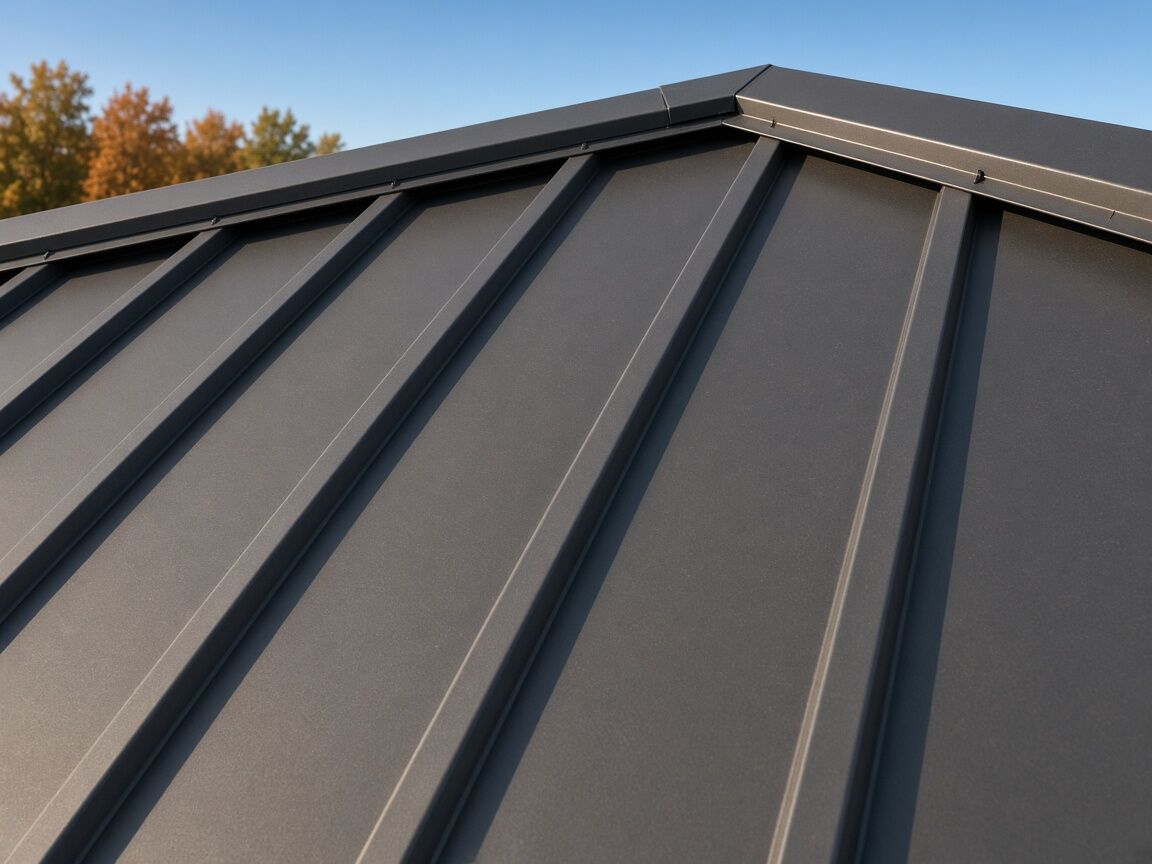
Picture made with AI for this guide.
What is a metal roof and how does it work?
A metal roof is a system of interlocking or overlapping panels that shed water by directing it continuously from ridge to eave. The panels sit over a waterproof underlayment that acts as a secondary barrier if any water gets past the metal. Beneath that is the deck—usually plywood or OSB—which carries the load.
Metal roofing is typically non-combustible and can achieve a Class A fire rating when the full assembly is installed as tested. That rating depends on the entire system, not just the panel alone, so underlayment and deck materials both count.
Metal expands and contracts with temperature every day. Standing-seam panels ride on hidden clips that let the metal slide freely. Exposed-fastener panels use screws placed at specific locations so the panel can still move without the fastener pinning and buckling it.
Standing seam vs. exposed-fastener panels: how they differ
Standing-seam panels have raised interlocking seams along vertical edges. The fastener—a clip—sits under the seam and never pierces the panel face, so there is no hole exposed to rain. Because nothing punctures the surface, maintenance needs are lower over time. The trade-off is skill: seaming requires a specialized mechanical seamer, and the margin for error on the first panel is tight. Professional installation is strongly recommended.
Exposed-fastener panels overlap at the edges and are screwed through the face into the deck. Each screw carries a rubber washer that seals the hole. Over time those washers age and need periodic inspection. Overtightening during installation crushes the washer immediately and creates a leak path from day one—one of the most common installation mistakes.
On pitch, the two systems diverge. Standing-seam profiles handle lower slopes than lapped ribbed or corrugated panels, which need additional sealants on shallow pitches. Check your roof's pitch before choosing a profile.
Metal options: steel, aluminum, copper and zinc
Galvanized steel is coated in zinc to resist rust. Galvalume steel uses a zinc-aluminum alloy coating that holds up well in most climates. Both are common and available in many profiles and colors.
Aluminum costs more per square—a square is 100 square feet—but it does not rust, making it the practical choice near salt water. Copper develops a patina over decades and is typically reserved for accent sections because of its price. Zinc is self-healing: minor scratches oxidize and form a protective layer on their own.
Gauge matters too. A lower gauge number means thicker steel, which dents less from hail. Coil Spot launched the LUXR metal shingle system in 26-gauge steel in late 2026, designed for easier residential installation by rollformers; the brand claims a 40-year warranty. When comparing products, ask what the manufacturer says about gauge, coating, and warranty terms.
Flashing and closures must be made from compatible metals. Mixing incompatible metals at valleys or penetrations causes galvanic corrosion, where one metal degrades the other.
How installation works, step by step
Installation starts at the deck. Old roofing comes off—or in some cases stays on with furring strips added—then the deck gets inspected for soft spots or rot. Skipping this step hides problems that will surface later as leaks.
Next comes the underlayment. Slip sheets may be added on top so the metal can move without abrading the material beneath. Drip edge and trim go on before panels so water that gets under the edge sheds outward.
Panels run from the eave upward toward the ridge. Squaring the first panel is critical—a panel that starts even slightly off-square compounds the error across every course that follows. Fastening follows manufacturer-specified patterns and spacing, with tighter requirements at eaves, rakes, and ridges where wind uplift is highest.
The NRCA released its updated Roofing Manual on Architectural Metal Flashing and Condensation and Air Leakage Control in early 2026, revising guidance on metal alloys and drip edge details. Installers working to current standards should know it.
What drives the cost of metal roof installation?
No single number covers metal roof installation because so many variables shift the price. Panel gauge and coating type change material cost directly. Roof complexity adds labor: every valley, hip, dormer, and penetration requires custom flashing and more time.
Pitch matters because steep roofs require more safety equipment and slower work. Underlayment specifications vary by climate and local code. The biggest single decision is whether to tear off the existing roof or overlay it. A full tear-off costs more upfront but lets the crew inspect and repair the deck. An overlay saves tear-off labor but hides whatever is underneath.
The only reliable way to know what a specific project costs is to get written quotes from licensed installers who have measured the roof and specified the exact materials. Two quotes using different gauges or underlayments are not comparable, so ask each bidder to spell out what they are including.
Care and upkeep: what to do each year
Metal roofs need less attention than most roofing materials, but they are not maintenance-free. Once a year, check exposed fasteners for backed-out screws or washers that look compressed or cracked. Standing-seam systems need less of this, but the seams and flashings still deserve a look.
Clear debris from valleys and gutters. Leaves and branches hold moisture against panel edges and seams, accelerating coating breakdown right where the metal is most exposed. Touch up scratches in the coating as soon as you spot them—bare metal at a scratch corrodes faster than the coated surface around it.
Avoid pressure washing directly at seams or fasteners. A garden hose rinse to clear dust and pollen is enough. If moss or algae appears, address it before it lifts panel edges.
When to call a professional metal roof installer
Any work on a metal roof requires fall protection. OSHA-compliant harnesses and anchors are the minimum. Metal surfaces are slippery even when dry, and wet or icy panels are extremely dangerous. Keep panels and tools clear of power lines. If you are not set up with proper fall protection, call a pro.
Standing-seam installation is genuinely specialized. The mechanical seamer that locks the seams is not a tool most homeowners own, and using it correctly takes practice. An improperly seamed panel looks fine from the ground and leaks in the first hard rain.
For a primary residence, the consequences of a mistake—a crushed washer, a misaligned first panel, incompatible flashing metal—show up as water damage inside the house. Written bids, verified licenses, and references from completed metal roofing jobs are the benchmarks to use when choosing an installer.
Questions people ask
Can a metal roof be installed over existing shingles?
In some cases, yes. Furring strips are added to create an air gap and a nailing surface. A full tear-off is often recommended, though, because it lets the crew find and fix deck damage that an overlay would hide.
What pitch does my roof need for a metal roof?
It depends on the panel profile. Standing-seam systems handle lower slopes than lapped ribbed or corrugated panels. Shallow-pitch applications may require additional sealants. Check the manufacturer's minimum pitch spec for the specific profile you choose.
How often do exposed-fastener metal roofs need maintenance?
Exposed fasteners need inspection more often than concealed ones. Check annually for backed-out screws and aged washers. Standing-seam systems have lower maintenance demands because no fastener pierces the panel face.
What causes galvanic corrosion on a metal roof?
Mixing incompatible metals at flashings, valleys, or fasteners causes one metal to corrode the other through an electrochemical reaction. Flashing and closures must be made from materials compatible with the panel metal.
Is a metal roof fire resistant?
Metal roofing is typically non-combustible and can achieve a Class A fire rating, but the rating applies to the full tested assembly—panel, underlayment, and deck together—not the panel alone.
What are the most common metal roof installation mistakes?
Overtightening screws and crushing the sealing washer, using incompatible fasteners, skipping closure strips or underlayment, improper panel overlaps, and failing to square the first panel before laying subsequent courses.
Read: Metal Roofs: Types, Cost and Metal vs Shingles
Read: Corrugated Metal Roofing: What Every Homeowner Should Know
Roofers near you
Papalocal lists 57,668 roofers. Search them by town.
Related guides
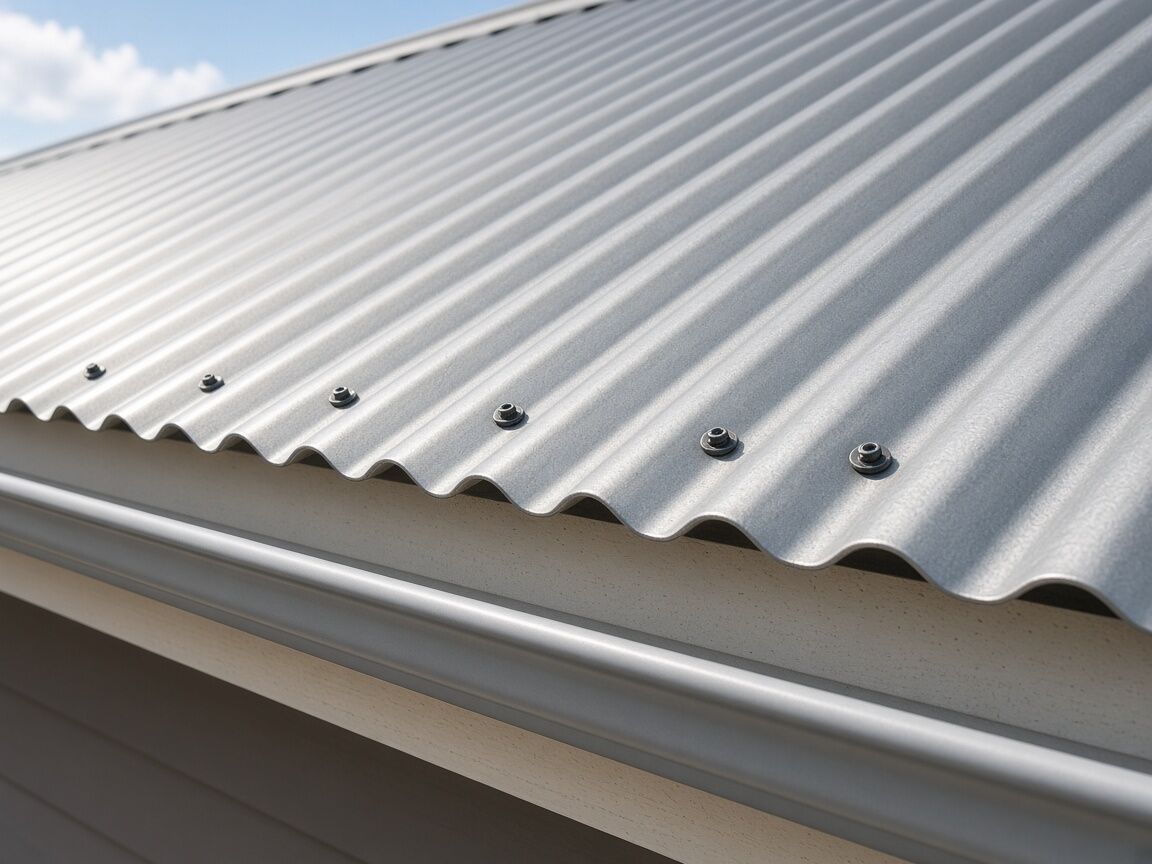 Corrugated Metal Roofing: What Every Homeowner Should Know
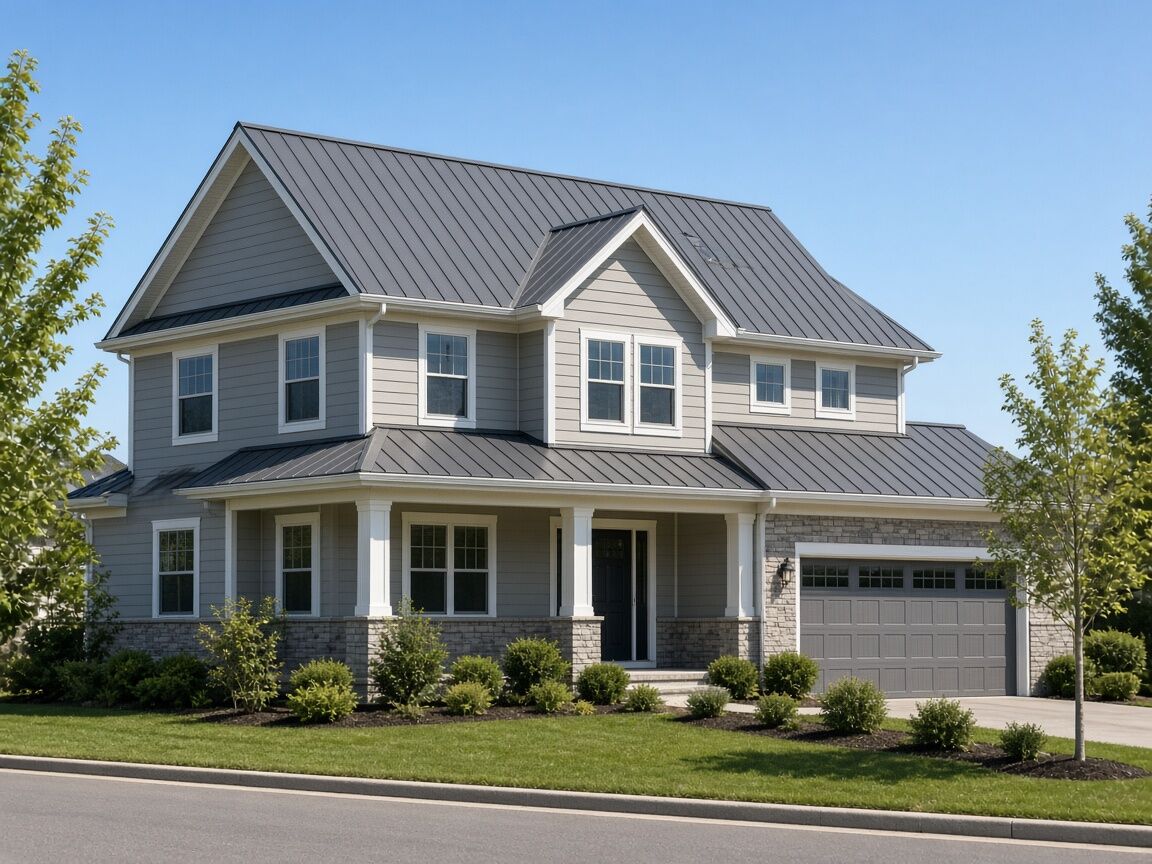 Metal Roofs: Types, Cost and Metal vs Shingles
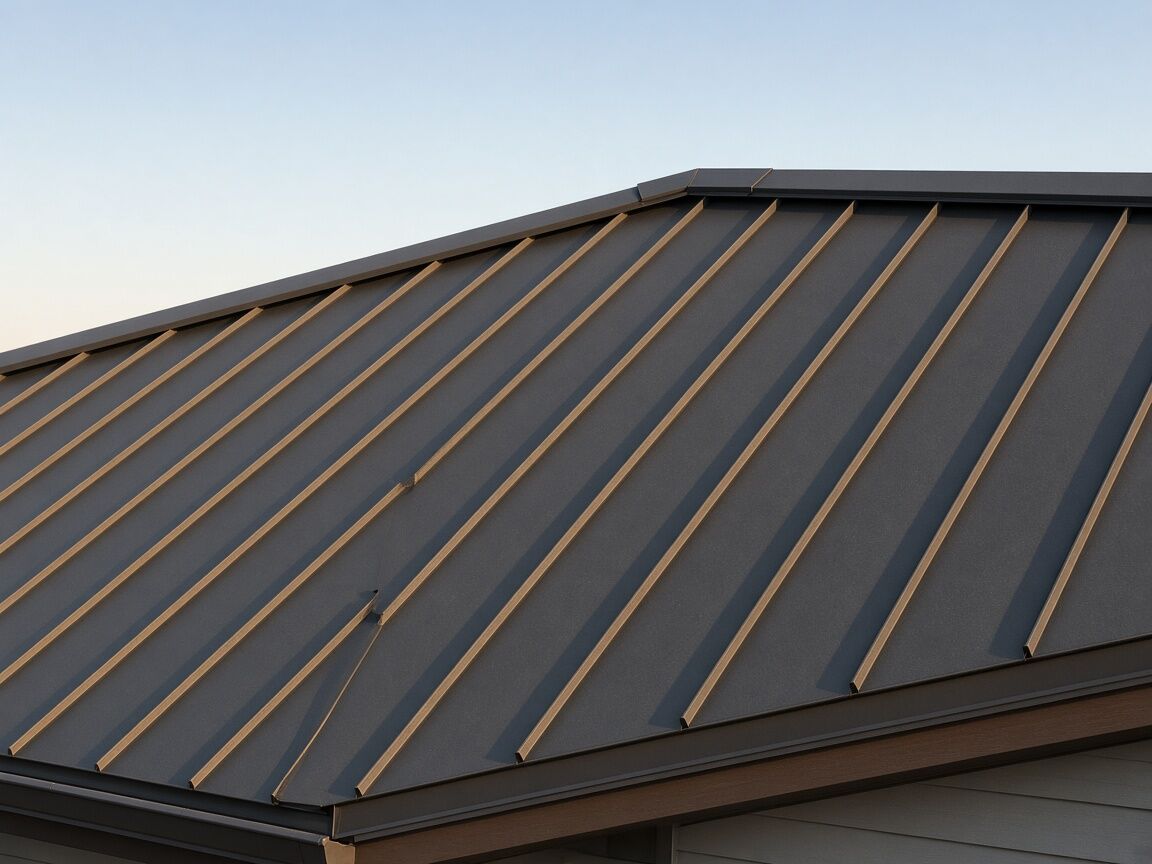 Steel Roof Cost: What Every Homeowner Should Know
Your business? Claim it free