
Roofing Calculator
RRoofpedia guidePublished October 30, 20261,390 words · 6 min read
Roof calculator
How many shingles will I need?
From the guide Estimates and Squares: How Many Shingles Will I Need? Roofers sell by the square: 100 square feet of roof.
- Roof area
- –
- Pitch factor
- –
- Bundles (3 a square)
- –
A starting number, not a quote. Ridge caps, starter strip and valleys add more. A roofer measures it for real.
Enter the length and width of your house and its pitch, and the calculator adds a foot of overhang on every side, multiplies by the pitch factor, adds a waste allowance and rounds up to whole bundles. The answer is your roof in squares, where one square is 100 square feet, and the bundle count assumes the usual three bundles to a square.
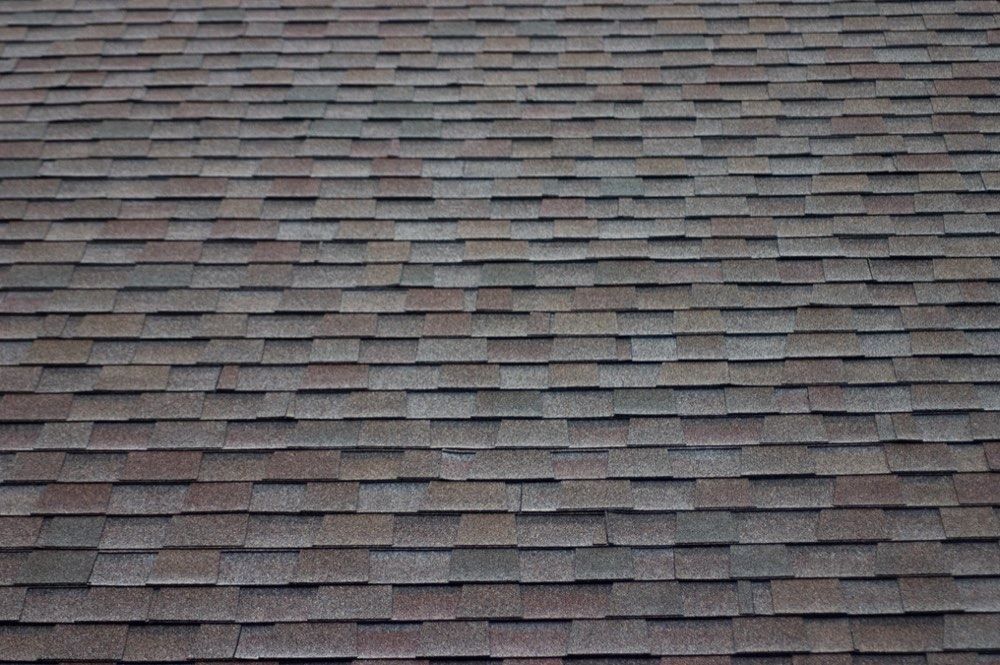
How to use the roofing calculator
Length and width are the outside measurements of the house walls, taken along the foundation with a long tape or a measuring wheel. Measure the part of the house the roof covers, so include an attached garage or a covered porch that shares the main roof, and leave out a carport or patio cover with a roof of its own.
Pick the pitch closest to yours. If you don't know it, the roof pitch calculator page shows how to find it from the ground; 6/12 is the default because it is common, not because it fits every house. The last setting chooses how much waste to add. Use the lower one for a plain gable roof with long, straight runs, and the higher one, marked for hip roofs, for anything with hips, valleys or dormers, since every angled cut throws away a piece.
Read the results from the bottom up. Roof area is the true surface, overhangs and pitch included, before any waste. The pitch factor is the multiplier used. The big number is squares with waste added, rounded up to the next third of a square so it comes out in whole bundles, and the bundle count is that figure times three.
How many squares is my roof? A worked example
Take the calculator's starting numbers: a house 50 feet long and 30 feet wide with a 6/12 roof. With a foot of overhang on each side, the roof's footprint is 52 by 32 feet, or 1,664 square feet. Multiply by the 6/12 factor of 1.118 and the true roof surface comes to about 1,860 square feet.
Now the waste. On the hip roof setting, that surface becomes about 21.4 squares, which the calculator rounds up to 21.7 squares, or 65 bundles. On the plain gable setting it is 20.7 squares and 62 bundles. The same house at 10/12 would need roughly a sixth more shingles than at 6/12, all because of the pitch.
The example also shows why living space is a poor guide. This one-story house has 1,500 square feet of floor and nearly 1,900 square feet of roof. Build the same 1,500 square feet as two stories on a 25 by 30 foot footprint and the roof shrinks to about half. When you hold your number up against a quote, compare squares, not the square footage on the listing.
Measuring your house from the ground
Everything the calculator needs can be measured with your feet on the grass. Run a tape along each wall at the foundation, or roll a measuring wheel, and round to the nearest foot. Bump-outs a foot or two deep can be ignored for a rough number; a wing or ell cannot.
For an L-shaped or T-shaped house, split the footprint into rectangles, run the calculator for each one at its own pitch, and add the squares together. The total will run slightly high, because the calculator adds overhang where the wings meet, and a little high is the safe side for an estimate. Do the same for a garage or porch whose roof has a different pitch from the house.
Then check the overhang. The calculator assumes about a foot all around. If your eaves stick out farther, add the extra to both ends of each measurement; with two-foot overhangs, type in two more feet of length and two more of width. County property records often include a sketch of the house with outside dimensions, and tracing the roof edge on a satellite map gives a second check on your tape.
Roof cost calculator: turning squares into a price
Roofers price most jobs by the square, so a sound square count is the first half of a cost estimate. The second half has to come from local quotes, because the price per square depends on things a footprint can't show: how many layers come off, how much decking is rotten, how steep and high the roof is, whether a trailer can reach the house, and what crews charge in your town this season.
That is why this calculator stops at squares and bundles. A tool that prints a dollar figure from your zip code is averaging other people's roofs, and a real quote for yours can land far from it in either direction.
Use your squares to read quotes instead. Divide each quote's total by the squares it lists to get a price per square, then ask why one roofer's count or price is out of line with the others. A higher count is often fair, since it may include starter, ridge and a more cut-up roof than your estimate assumed. The Compare roofing quotes tool lays several quotes side by side on those same terms.
When a roofing calculator will be off
Some roofs break the simple footprint math. A porch roof tucked under the upper eaves of a two-story house is easy to miss or to count twice. Dormers add small roofs and cheek walls of their own. A gambrel or mansard roof has two pitches on each side, and each band needs its own run through the calculator.
Overhangs on the gable ends run up the slope, and a deep rake or a big covered entry adds surface the footprint misses. Flat and very low sections don't take shingles at all, so leave them out of the shingle count and list them separately.
The bundle count assumes three bundles per square, which fits most standard architectural shingles. Heavier designer lines can need four or five to the square, and metal, tile and slate are ordered in their own units, panels by length and tiles by the piece. For those, take the calculator's roof area and let the supplier convert it.
Roofing calculator vs a roofer's measurement
A roofer measuring for an order works from the roof itself, an aerial measurement report or a drone survey, and counts every facet, valley, hip and rake in feet. They set waste by how cut up that particular roof is and add the items squares leave out. Your number won't match theirs exactly, and it shouldn't.
What it gives you is a yardstick. If three roofers come in at similar square counts, the roof is probably measured right. If one is far higher, ask how they measured and what the extra covers. If one is far lower, ask what was left out, because a short count often turns into a change order once the old roof is off.
Keep your figure with the quotes, along with your pitch and footprint notes. When the materials arrive, a glance at the pallets tells you whether the delivery roughly matches the job you are paying for.
Questions people ask
How many bundles of shingles do I need for 2,000 square feet of roof?
Two thousand square feet of roof surface is 20 squares, or 60 bundles at three to a square. Add waste for cuts, more on hip roofs than gable roofs. Starter strip and ridge caps come on top of that, ordered by the length of the eaves, rakes, hips and ridges.
Is this roofing calculator free?
Yes. It runs in your browser on this page with nothing to sign up for, and you can change the numbers as often as you like. It gives squares and bundles, not a price; for a price, get written quotes from local roofers.
Does the roofing calculator work for a hip roof?
Yes, as long as all the slopes share one pitch, because every plane of a hip roof gains surface over its footprint by the same factor a gable roof does. Choose the higher waste setting, since hips and valleys are cut on angles.
Why is my roofer's square count higher than the calculator's?
Usually because the roofer measured things a footprint misses, such as dormers, deep rakes and mixed pitches, and included starter, ridge caps and a waste figure for your exact roof. If the gap is large, ask to see the measurement report.
Roofers near you
Papalocal lists 57,606 roofers. Search them by town.
Related guides
 Roof Pitch Calculator
 How Much Does A New Roof Cost?
 Estimates and Squares: How Many Shingles Will I Need?
Your business? Claim it free